

At The Fatino Group, we celebrate resilience and finding creative ways to empower individuals—especially children—facing speech and communication challenges. Inspired by our mission and by founder David Fatino’s journey of overcoming adversity, this post dives into engaging, therapy-proven speech therapy activities that blend fun with targeted learning.
🎲 Why Games Work in Speech Therapy
- Motivation through play: Kids are naturally drawn to games. They stay engaged and enthusiastic—no boring drills required.
- Skill integration: Games offer repeated opportunities to practice sounds, language structures, sentence fluency, and social interaction.
- Minimal prep, big impact: Many activities require nothing more than household items, picture cards, or a quick online search.
Top Speech Therapy Activities Kids Actually Enjoy
1. Hopscotch Word Fun
Age: Preschool – early elementary
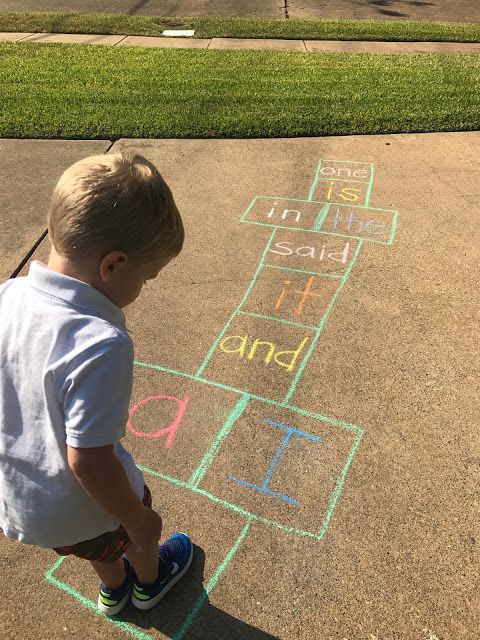
Draw a hopscotch grid on the sidewalk and write target words or sounds in each square. As kids hop, they say the word aloud—practicing speech sounds like “s,” “r,” or consonant blends.
2. I Spy
Age: 3+
One person selects an object, gives clues (“I spy something red and round”), and the other guesses and uses the word in a sentence. Great for turn-taking, vocabulary, grammar, and articulation.
3. Card Games: Go Fish & Roll-and-Say Dice
Age: 4+
- Go Fish: Kids request target-sound cards (“Do you have a sock?”), repeating words for sound practice. Turn-taking builds social skills.
- Roll-and-Say Dice: Roll a die, pick a picture from a grid, and say it out loud—great for random practice and quick rewards.
4. Barrier Games
Age: 5+
Two players make drawings or descriptions of scenes and share directions without seeing the other’s. Perfect for working on descriptors, sequential language, and clarity.
5. Storytelling Dice (e.g., Rory’s Story Cubes)
Age: 6+
Kids roll cubes and create a narrative using the pictures—practicing sequencing, sentence expansion, story grammar, and expressive language.
6. Tongue Twisters
Age: 7+
Play with fun, tricky sentences like “Red lorry, yellow lorry” to challenge clarity, fluency, and articulation—all while laughing.
7. Board Games with Speech Goals
Age: 4+
- Guess Who?: Kids ask yes/no questions to identify the hidden character—great for WH- questions, descriptions, and deductive reasoning.
- Shark Bite / Don’t Wake Daddy / Crocodile Dentist / Jumping Jack: These suspense-based games provide opportunities to produce target words while excitedly waiting their turn.
8. Online Interactive Games
Age: 3+
Free web-based games on sites like Language Playroom, PBS Kids, and Speech Sprouts offer engaging visuals and practice. They allow targets like articulation drills, sentence completion, and vocabulary in fun contexts.
9. Scavenger Hunt / Hide-and-Seek with Picture & Word Cards
Age: 3–7
Hide cards around the house or yard. Children find and pronounce each word, and then create a sentence for bonus practice—great for speech, vocabulary, and language structure.
10. Touch & Feel + Freeze Dance
Age: Toddlers – 4
- Touch & Feel Box: Kids pick an object, describe, name, and answer questions about it.
- Freeze Dance: Dance until the music stops, then say a phrase or target word. It builds language in a gross-motor context.
Tips to Make Speech Therapy Activities Shine
- Target just one or two skills per session – Focus helps skill pick-up.
- Encourage repetition – Have children say target words multiple times or use them in sentences.
- Blend simplicity with challenge – Start easy, increase difficulty as mastery grows (e.g., single words → sentences → storytelling).
- Use visuals & props – Picture cards, dice, or toys anchor attention and aid processing.
- Keep sessions playful – Praise effort, keep the mood light, and celebrate effort as much as accuracy.
Aligning with The Fatino Group Vision
Our founder David Fatino knows firsthand the power of determination and positive mindset. Just as The Fatino Group empowers through opportunity and challenge, integrating these speech therapy activities offers kids meaningful practice in a joyful, supportive environment. It’s speech therapy that celebrates progress as much as perseverance.
Get Started: Putting Games into Practice
| Game Type | Materials | Speech Focus | Take Vermont Further |
|---|---|---|---|
| Hopscotch Word Fun | Chalk, target words | Articulation | Write words with specific sounds. |
| Go‑Fish | Picture card deck | Sound practice & turn-taking | Add sentence prompts. |
| Story Cubes | Rory’s cubes or homemade dice | Narrative skills | Add “wh” details and sequencing. |
| Barrier Game | Two boards and markers | Clear communication | Use descriptive terms (size, color, location). |
👋 Pro Tip: No fancy tools? No problem! Even box-and-toy activities can be turned into speech practice with a little creativity.
Start the Conversation Today
You don’t have to be an SLP to support speech and language growth. With playful intention, these speech-friendly games help kids build confidence, communication, and cognitive skills—just as community and resilience are core to The Fatino Group’s mission.
Help Us Empower More Voices
Thank you for exploring speech therapy activities that blend fun with purpose. At The Fatino Group, we’re dedicated to empowering individuals—just like David once needed support—to overcome barriers and thrive.
👉 Explore more of our mission, stories, and programs on our homepage.
💙 Inspired by what you’ve read? Please consider making a tax-deductible contribution via our donation page to help us continue fostering resilience and transformation in our communities.
Together, we redefine possibilities—one joyful game, one brave step, one inspiring story at a time.