At The Fatino Group, our mission is to empower individuals with cerebral palsy (CP) and other mobility challenges to live fuller, more independent lives through accessible resources, community support, and practical strategies. For parents, caregivers, and educators, finding effective ways to improve balance for those with CP or similar conditions is a vital step toward this goal. Balance challenges can make everyday activities like walking, standing, or sitting feel overwhelming, but with the right exercises, progress is achievable.
In this blog post, we share five targeted balance drills designed to align with our mission of fostering strength, confidence, and independence. These exercises are practical, adaptable, and crafted to fit into busy schedules while keeping safety and engagement first. Whether you’re supporting a child with CP, an adult with a neurological condition, or someone recovering from an injury, these drills offer a pathway to steadier steps and greater autonomy. Let’s dive in and explore how these exercises can make a meaningful difference, reflecting The Fatino Group’s commitment to empowering lives.
Why Balance Matters for Cerebral Palsy and Similar Conditions
Balance is the foundation of mobility and independence, yet conditions like cerebral palsy, stroke, or traumatic brain injury often disrupt coordination, muscle strength, and postural control. For individuals with CP, challenges such as spasticity (tight muscles), ataxia (poor coordination), or dyskinesia (involuntary movements) can make balance particularly difficult. At The Fatino Group, we believe that improving balance not only reduces fall risks but also builds confidence, supports motor development, and enables greater participation in daily life—whether it’s playing with peers, navigating a classroom, or tackling household tasks.
The drills below are designed to strengthen core muscles, enhance coordination, and build stability in ways that are safe, accessible, and aligned with our nonprofit’s goal of empowering individuals to thrive. Each exercise can be tailored to different ability levels, making them ideal for parents, caregivers, or educators. Before starting, consult a physical therapist to ensure the exercises suit specific needs, especially for those classified under the Gross Motor Function Classification System (GMFCS) levels I–V.
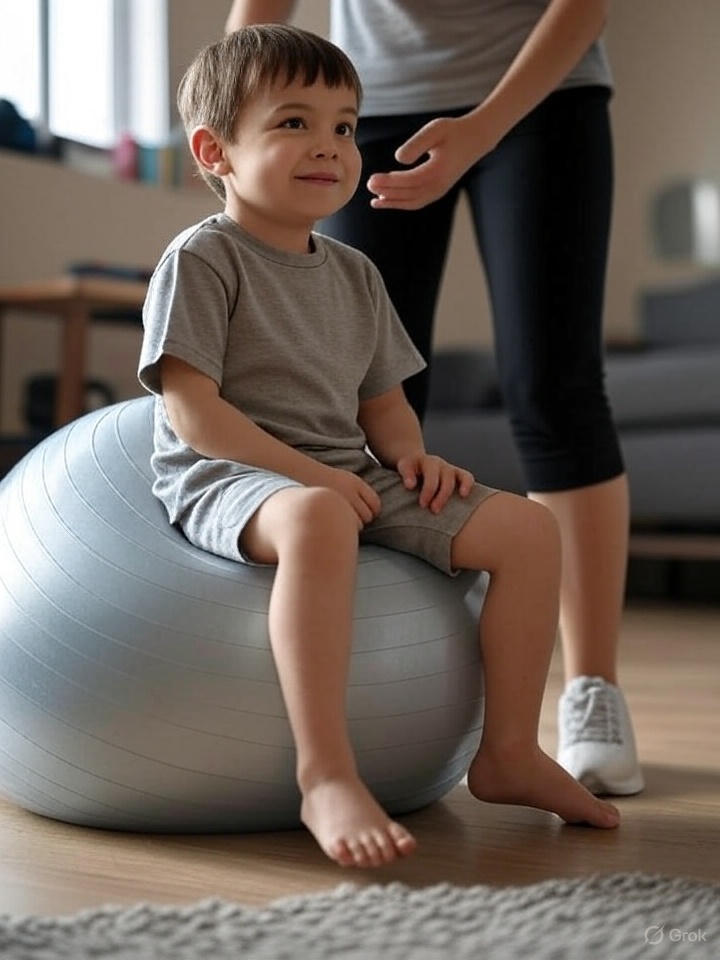
1. Seated Stability on a Therapy Ball
Why It Works
Sitting on an unstable surface like a therapy ball engages core and trunk muscles, which are crucial for posture and balance. This exercise supports The Fatino Group’s mission by promoting foundational strength that empowers individuals with CP to sit, stand, or move with greater ease, fostering independence in daily activities.
How to Do It
- Setup: Use a stability ball or peanut ball (more stable for beginners). Ensure the ball size allows feet to rest flat on the floor when seated.
- Steps:
- Sit on the ball with feet shoulder-width apart, maintaining an upright posture.
- If needed, have a caregiver or therapist lightly hold the hips or place the ball in a stable base.
- Hold for 1–2 minutes, engaging the core (imagine pulling your belly button toward your spine).
- For a challenge, reach for a toy or object to the side or forward while maintaining balance.
- Duration: Start with 1–2 minutes, gradually increasing to 5 minutes.
Adaptations
- For Beginners: Use a peanut ball or place the ball against a wall for stability. A wobble cushion is a great alternative.
- For Kids: Make it fun by tossing a soft toy back and forth while seated.
- For Limited Mobility: Brief sessions promote subtle muscle adjustments, aligning with small, achievable steps toward progress.
Tips for Success
- Play music to keep sessions engaging, reflecting our focus on joyful, inclusive activities.
- Clear the area of hazards to ensure safety.
- Progress slowly to build confidence, especially for those with spastic CP.

2. Standing Wall Lean
Why It Works
This exercise strengthens legs and promotes static balance, helping individuals bear weight evenly—a common challenge in CP. It aligns with The Fatino Group’s goal of enabling practical, real-world mobility for tasks like standing or walking.
How to Do It
- Setup: Find a flat wall in a safe space. Wear supportive shoes if possible.
- Steps:
- Stand with your back against the wall, feet shoulder-width apart, spine aligned.
- Hold for 1–3 minutes, focusing on straightening legs without sinking.
- Progress by lifting one foot onto a small step or book (1–2 inches high), then return to standing.
- Engage with a game like tossing beanbags into a basket for fun.
- Duration: Aim for 1–3 minutes, 2–3 times per session.
Adaptations
- For Support: Hold onto furniture or a caregiver’s arm.
- For Fun: Watch a favorite show or play a tablet game to maintain focus.
- For Advanced Users: Increase step height or try standing without wall support briefly.
Tips for Success
- Use a mirror to monitor posture, supporting self-awareness and growth.
- Celebrate small wins, like standing longer, to reflect our emphasis on progress.
- For ataxic CP, focus on slow movements to improve coordination.
“Patience is your superpower, turning every step forward into a victory. With cerebral palsy, each moment of perseverance builds a brighter, stronger you—keep shining!”
3. High Kneeling with Support
Why It Works
High kneeling strengthens core and pelvic muscles, vital for posture and dynamic balance. This drill supports transitions like sitting to standing, aligning with our mission to empower functional independence.
How to Do It
- Setup: Use a soft surface (yoga mat or carpet) with furniture or a caregiver nearby.
- Steps:
- Kneel with one hand on furniture, keeping hips extended (not sitting on heels).
- Progress to high kneeling without support, holding for 30 seconds to 1 minute.
- Reach for objects to the side or behind, like a toy or ball, to challenge balance.
- For advanced practice, navigate a mini obstacle course on knees (e.g., around pillows).
- Duration: Start with 30 seconds, building to 1–2 minutes.
Adaptations
- For Beginners: Use both hands for support and keep sessions short.
- For Engagement: Play catch or stack blocks for interactivity.
- For Limited Mobility: Focus on kneeling with support, reducing assistance over time.
Tips for Success
- Incorporate music or storytelling for engagement, reflecting our community-driven approach.
- Watch for fatigue, especially in dyskinetic CP, to ensure safe practice.
- Work with a therapist for proper form.
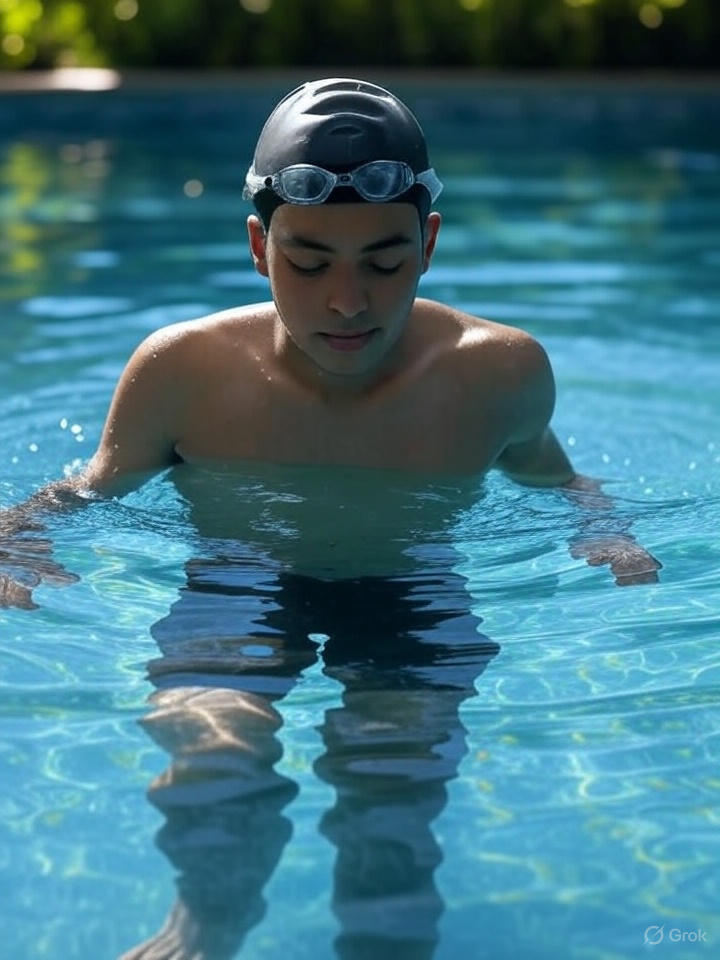
4. Aquatic Walking or Treading
Why It Works
Water’s buoyancy reduces fall risks and supports the body, making it ideal for balance training. The resistance strengthens muscles, aligning with our goal of promoting safe, effective mobility solutions.
How to Do It
- Setup: Use a shallow pool with a caregiver or lifeguard present.
- Steps:
- Walk along the pool’s edge, holding the wall if needed, for 5–10 minutes.
- Progress to treading water in deeper water with gentle arm and leg movements.
- Use a kickboard or pool noodle for support if balance is limited.
- Duration: Start with 5–10 minutes, increasing as endurance grows.
Adaptations
- For Beginners: Stay in waist-deep water for confidence.
- For Kids: Use pool toys or games like “Simon Says” for fun.
- For Advanced Users: Walk backward or sideways to challenge balance.
Tips for Success
- Ensure comfortable water temperature to avoid spasticity.
- Use aquatic shoes for grip if needed.
- Pair with aquatic therapy for tailored guidance.

5. Deep Breathing for Core Engagement
Why It Works
Deep breathing activates the diaphragm to improve trunk stability and posture, making it accessible to all mobility levels. This exercise supports our mission by offering an inclusive way to build core strength and confidence.
How to Do It
- Setup: Choose a comfortable position—sitting, standing, or lying down.
- Steps:
- Inhale through the nose for 4 seconds, imagining smelling flowers, feeling chest and core expand.
- Exhale through the mouth for 6 seconds, like blowing out candles.
- Repeat for 5–10 breaths, 2–3 times daily.
- Duration: Start with 5 breaths, increasing to 10–15.
Adaptations
- For Kids: Use fun cues like “smell the flowers” or “blow out candles.”
- For Limited Mobility: Focus on slow, controlled breaths.
- For Advanced Users: Pair with seated or standing positions for posture integration.
Tips for Success
- Practice in a calm environment for focus.
- Encourage daily practice for gradual core strength.
- Use visual or auditory cues for those with severe CP.
Practical Tips for Caregivers and Educators
- Personalize the Plan: Tailor exercises to individual needs with a therapist’s guidance, reflecting our commitment to individualized support.
- Prioritize Safety: Start with support (caregiver, furniture, or equipment) to prevent falls, ensuring safe progress.
- Keep It Fun: Use games, music, or group activities to make exercises engaging, aligning with our focus on joyful participation.
- Stay Consistent: Short, regular sessions (10–20 minutes, 5 days a week) yield results, supporting steady growth.
- Track Progress: Note improvements like holding positions longer to stay motivated, a key part of our empowerment approach.
Empowering Lives, One Step at a Time
At The Fatino Group, we’re passionate about helping individuals with CP and similar conditions unlock their potential. These balance drills are more than exercises—they’re tools to build confidence, foster independence, and create opportunities for a fuller life. For children, improved balance can mean joining friends on the playground or navigating school with ease. For adults, it can lead to greater autonomy in daily tasks or new hobbies. By incorporating these drills, you’re supporting our mission to empower individuals to thrive, one steady step at a time.
Progress may come in small increments, but each step forward is a victory. Whether addressing ataxic CP’s coordination challenges or managing spasticity in spastic CP, these exercises offer practical, achievable ways to make a difference. With consistency, encouragement, and a supportive community, we can help those with CP live their best lives.
Let’s Keep the Momentum Going
Thank you for joining us on this journey to empower individuals with cerebral palsy and mobility challenges. At The Fatino Group, we’re here to provide resources, inspiration, and community support for parents, caregivers, and educators like you. Dive into more practical tips and stories on our homepage at https://thefatinogroup.com.
If you’re inspired to support our mission, consider making a donation at https://thefatinogroup.com/donate. Your generosity helps us continue offering tools and encouragement to families, ensuring everyone has the chance to take steadier steps toward a brighter future. Together, we can make a lasting impact!